Interesting trivia …
- Tulliallan was also known as:
Garem Gam Run 1840 -1855- Rossiter’s Station 1855 -1880s
- Glady’s Park 1880s
- Tulliallan 1915 – present day
Since the 1840s there have been about a dozen different families who have owned this property. The Rossiter family owned the property for more than 20 years and were the first official owners. The Mitchell family also owned the land and George Mitchell came up with the name of Tulliallan, based on it being the name of his parent’s home in Williamstown.
George Mitchell’s father James Mitchell was on the committee that helped to choose the design for the Australian flag. The Elder family owned the property for longer than anyone else, being more than 30 years. The Strettle family also lived on this land for more than 20 years and actually purchased additional land to expand the size of the property.
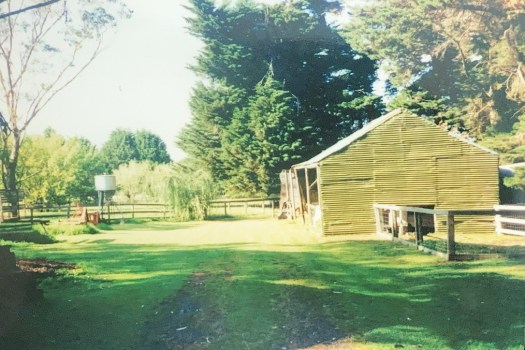
The historical ‘Tulliallan’ is a complex of farm buildings at the end of a long tree-lined driveway. Many of the buildings appear to date from the mid to late twentieth century.
Brick and stone cottage
The cottage is located opposite the homestead entrance, facing north. It is a small single-storey structure constructed from hand-made red bricks (probably constructed on site or locally) and sandstone both of which have been painted with a white wash. The hipped roof is clad with corrugated galvanised steel, which is covers the early (or original) timber shingles. There is a single painted brick chimney. Doors are four-panel timber and windows are multi-pane double hung sashes. The south elevation is an open verandah with round timber columns. The cottage is in poor condition but is being maintained. The style and nature of construction suggests that it was constructed in the mid to late nineteenth century, possibly as early as c.1860. This building is possibly the one once known as the ‘shearer’s cottage’ and may be the only building to survive from the pre-emptive right era of the rostier family. The Elms trees from a distant with Dandenong in the background
Outbuildings
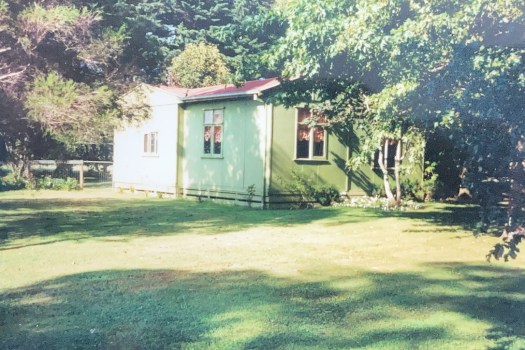
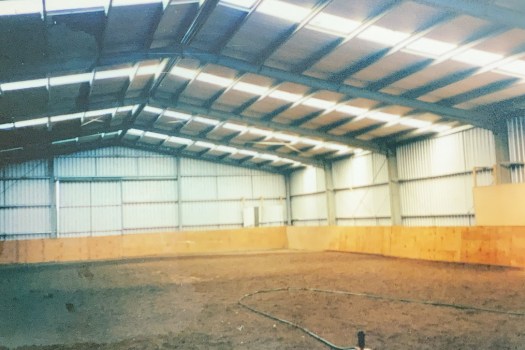
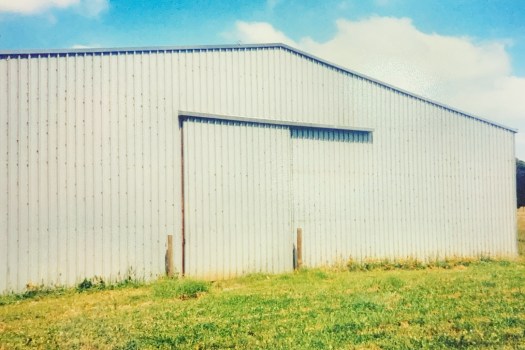
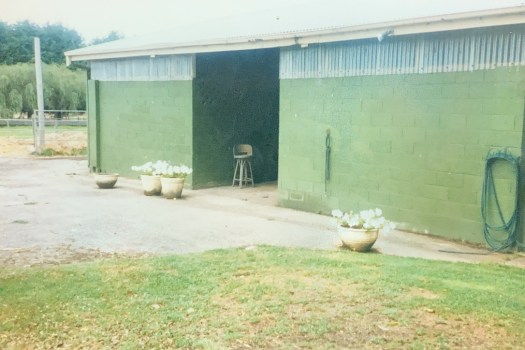
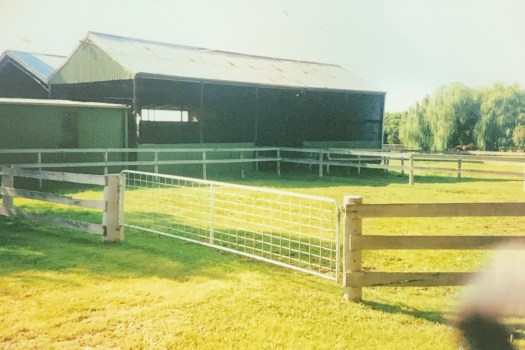
The only pre WWII outbuilding is a small timber building to the south-west of the brick cottage, adjacent to the driveway. The function of this building, which is in poor condition is unknown. A second building, an interwar dwelling (fibro house/pavilion) identified in 2004, was demolished in c. 2005 and replaced on the same site by dwelling now at the west end of the entrance driveway on the south side. Other buildings are corrugated iron-clad sheds and a brick building, all dated from the post WWII period.
Avenue of elm trees
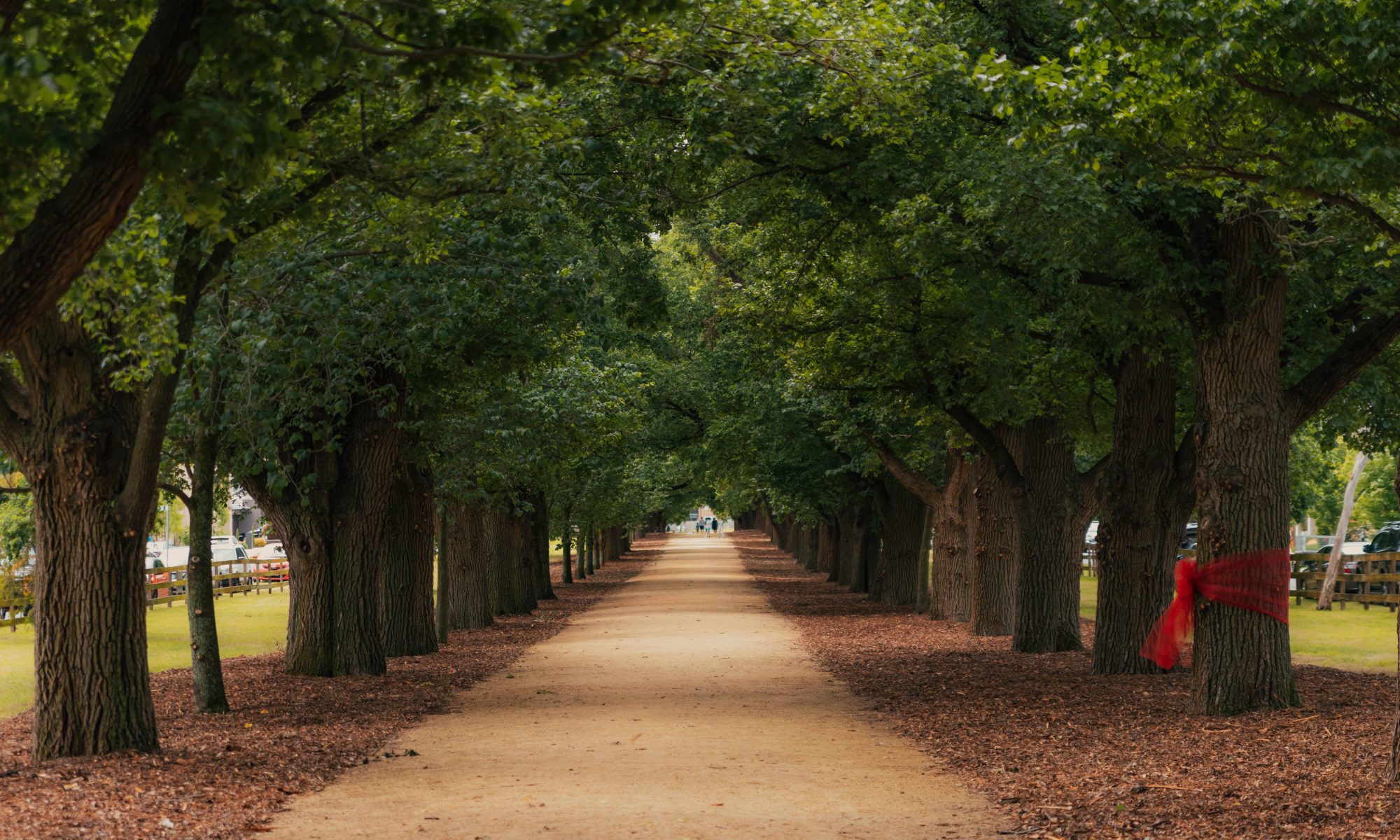
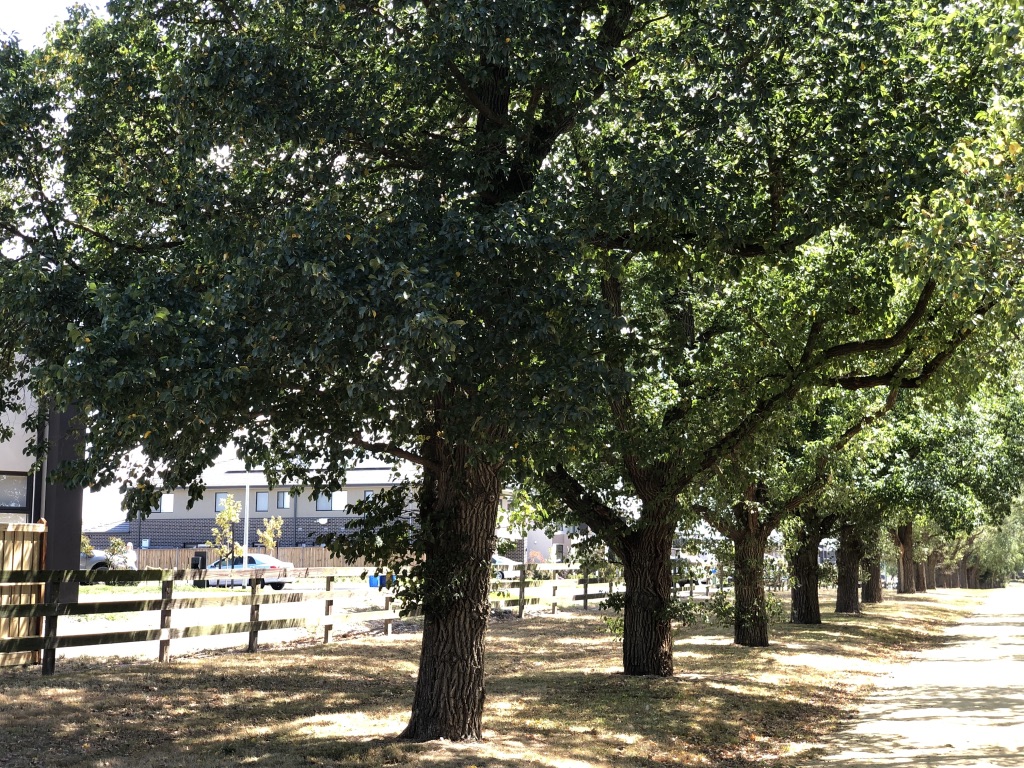
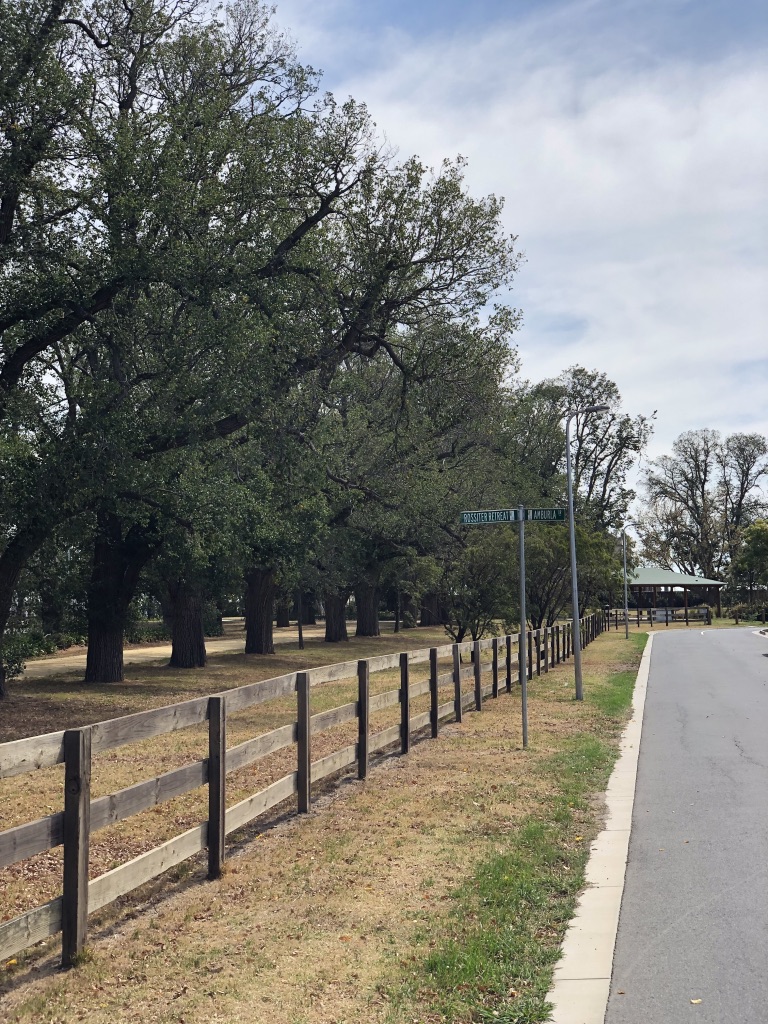
A key landscape element is the driveway, which is lined with an avenue of 51 Elms down each side. They are mature from the gates through to the 28th tree, and semi-mature after that indicating two stages of planting. The size of the more mature specimens suggests an original planting date of around 1900. About 10 of the trees are recent in-fill sapling plantings. Other related landscape elements are a number of cypresses (Cupressus Macrocarpa) which appear to have been planted in the early twentieth century as a wind-break, and there are more mature Cypress windbreaks in the surrounding paddocks. These vary in maturity and appear to date from the early to mid-twentieth century.
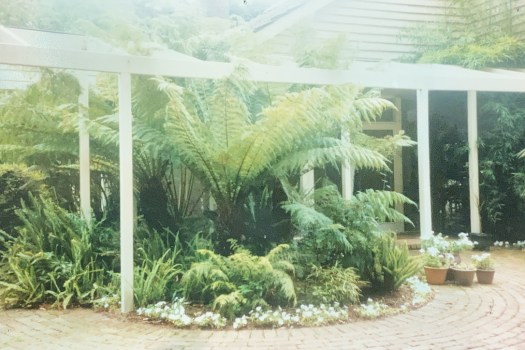
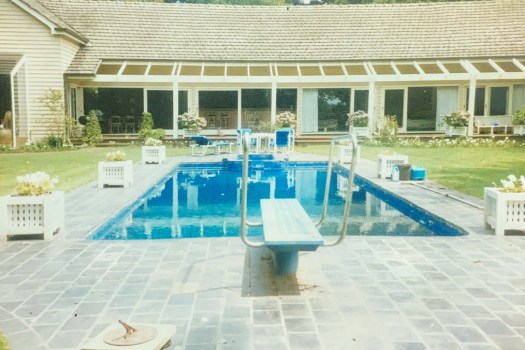
Photos from the 1980s
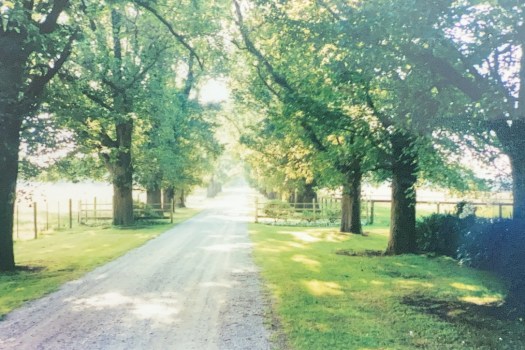
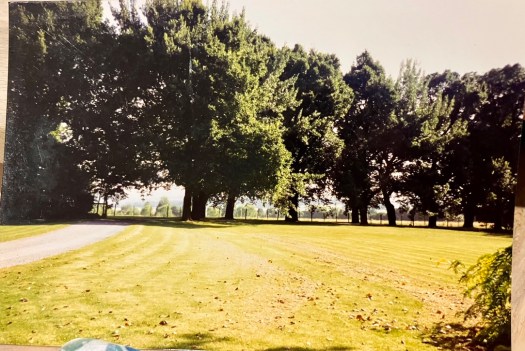
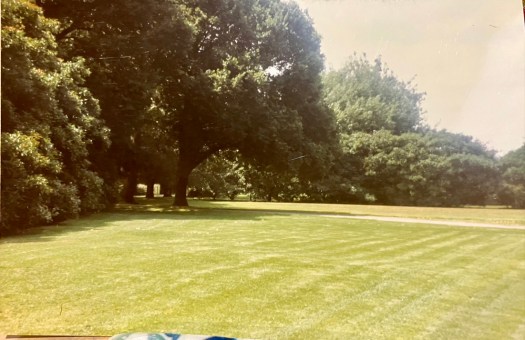
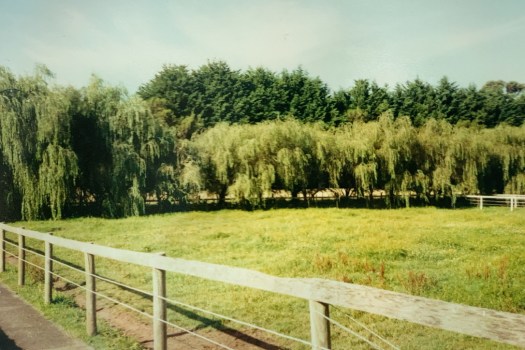
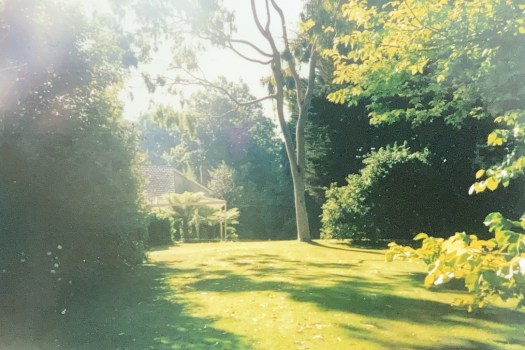
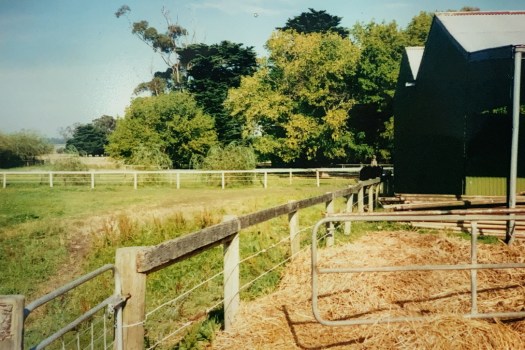
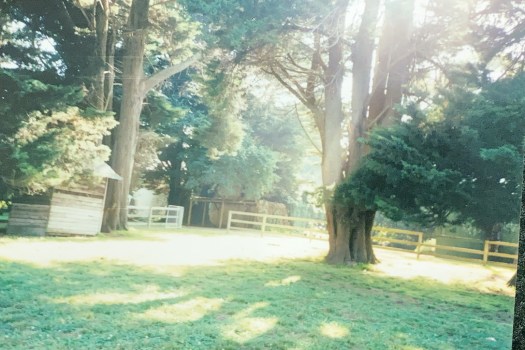
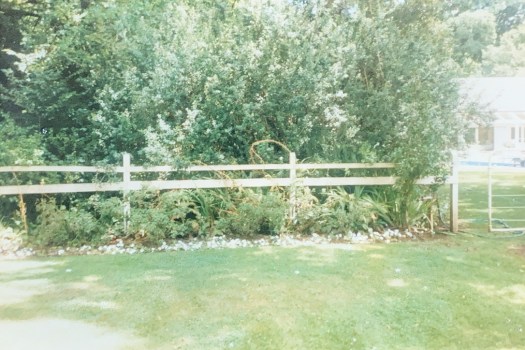
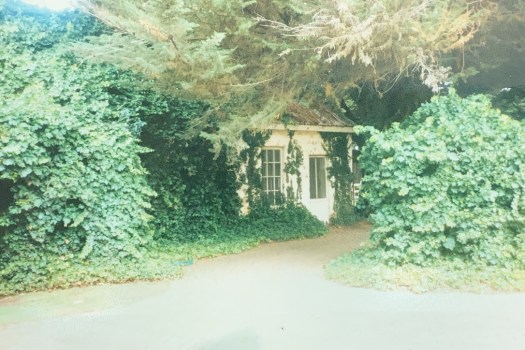
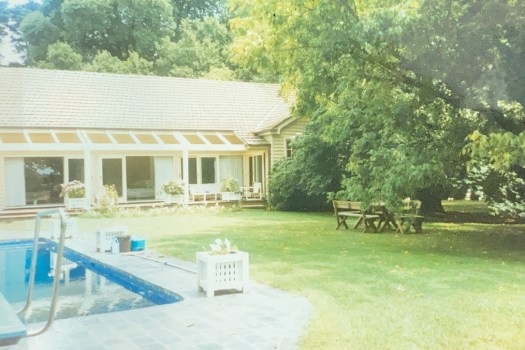
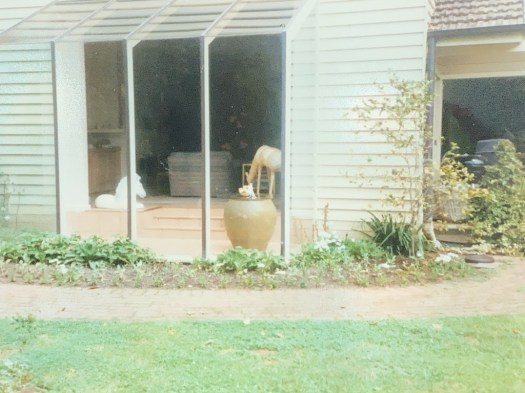
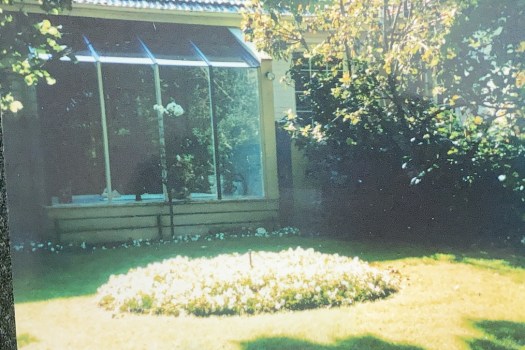
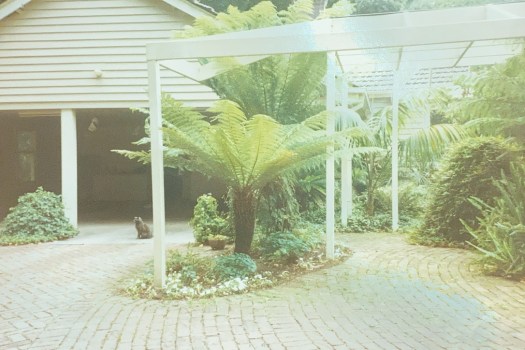
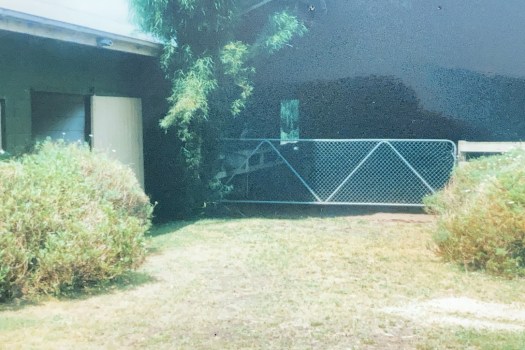
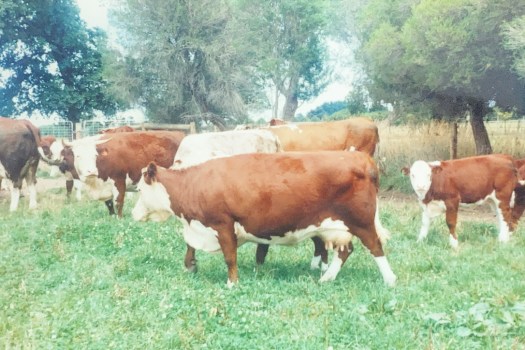
Note: With appreciation and thanks to Bill Cook, former Tulliallan Farm Manager
For more detailed history of Tulliallan, please click here. Courtesy of Casey Cardina Library.
 Friends of the Tulliallan Elms