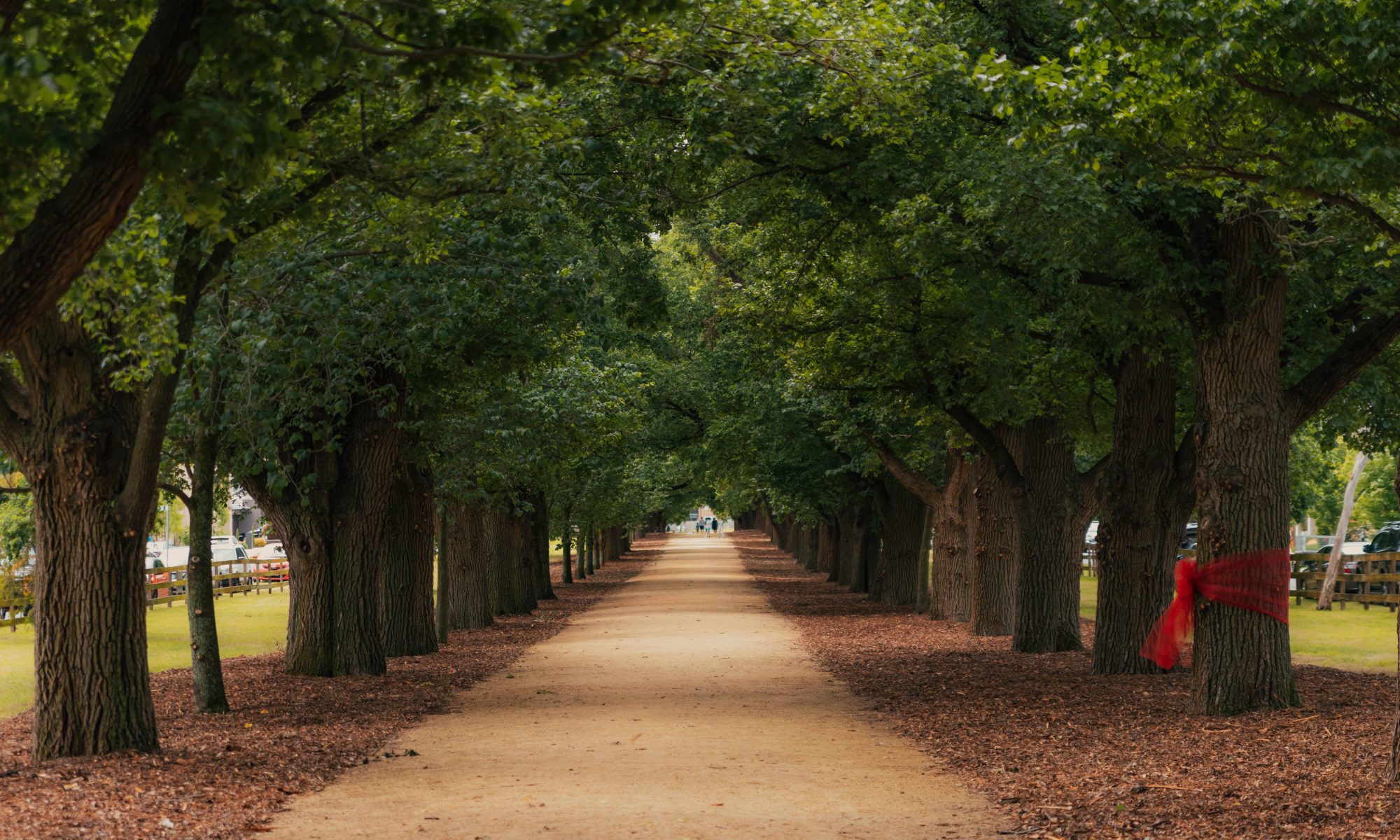
… with the widespread devastation across the northern hemisphere caused by Dutch elm disease, Melbourne now has some of the last remaining mature elm avenues in the world… – 21st Dec 2018, Sydney Morning Herald
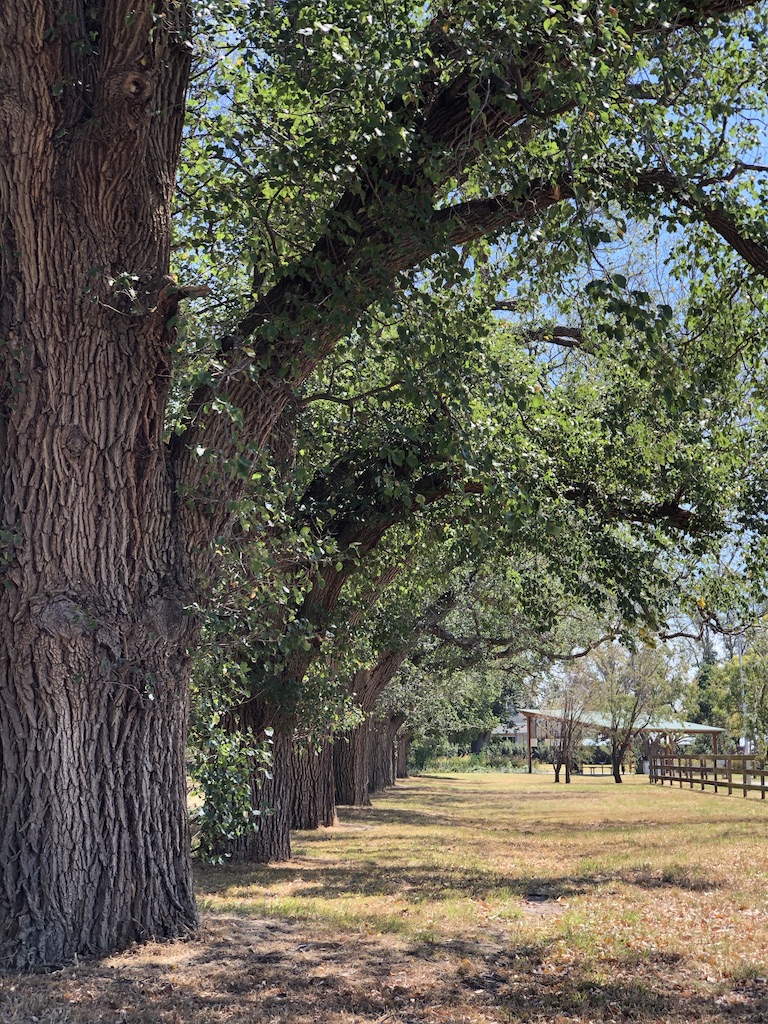
Tulliallan was listed by the Heritage Council of Victoria as of being significant for the local historic and aesthetic significance to the City of Casey on May 12, 2004.
The Heritage Council of Victoria recognises, protects and celebrates Victoria’s cultural heritage and advises the government and others on how to conserve and protect historically important objects and places for the enjoyment of current and future generations. It is an independent statutory body and provides legal protection for places and objects that are important to the history and development of Victoria.
The heritage listing in particular refers to a stone and brick cottage constructed c.1860, originally an old shearer’s cottage and an avenue of English Elms lining the entrance driveway at 1/805 Berwick Cranbourne Road, Cranbourne North.
The Victorian Heritage Database lists the State’s most significant heritage places, objects and historic shipwrecks protected under the Heritage Act 1995 states “The cottage is highly significant in a regional context as one of the few surviving buildings associated with the settlement of the study area during the pastoral era of 1850s and 60s prior to the land being opened for selection.
It illustrates the development of cattle runs within the south east part of the Settled District of Port Philip. It has associations with locally important individuals including members of the Rossiter family, James Gibb and Captain Thomas Mitchell. The early development of the farm is also demonstrated by the now mature elm Avenue.
Aesthetically, the Elm Avenue is significant as one of the largest private avenues in the municipality and provides a dramatic entry and setting for the farm complex. It also contributes to the broader cultural landscape within this area.”
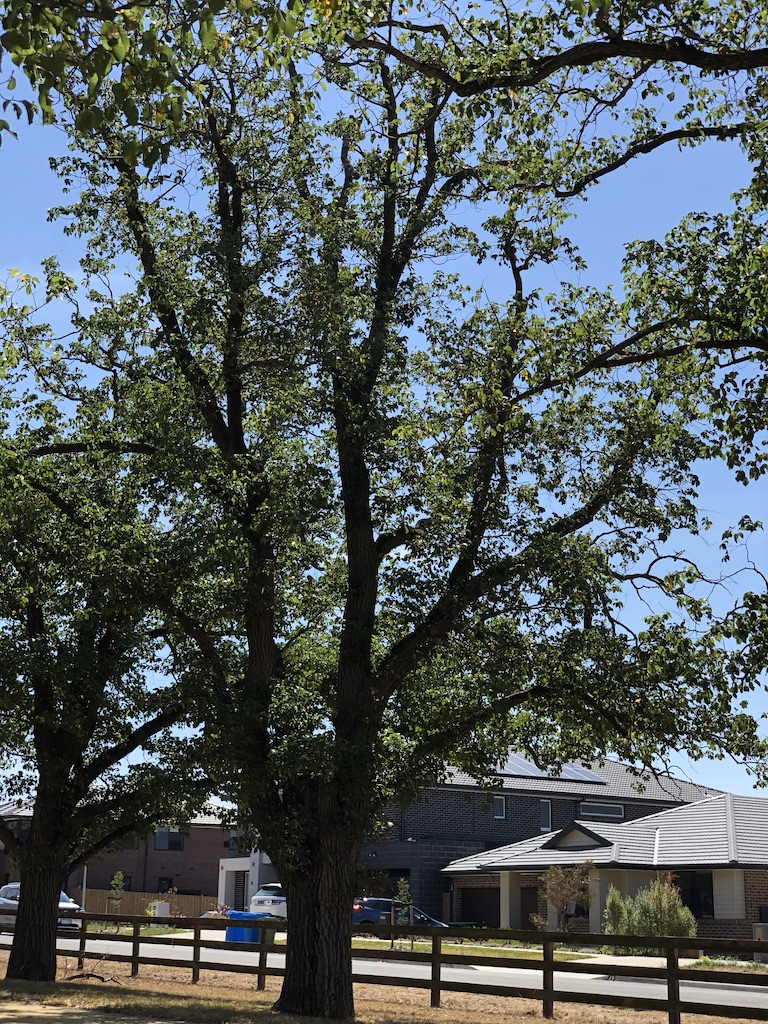
Dutch elm disease devastated elms throughout Europe and much of North America in the second half of the 20th century…Owing to its geographical isolation and effective quarantine enforcement, Australia has so far remained unaffected by Dutch Elm Disease, as have the provinces of Alberta and British Columbia in western Canada. (https://en.wikipedia.org/wiki/Elm)
 Friends of the Tulliallan Elms