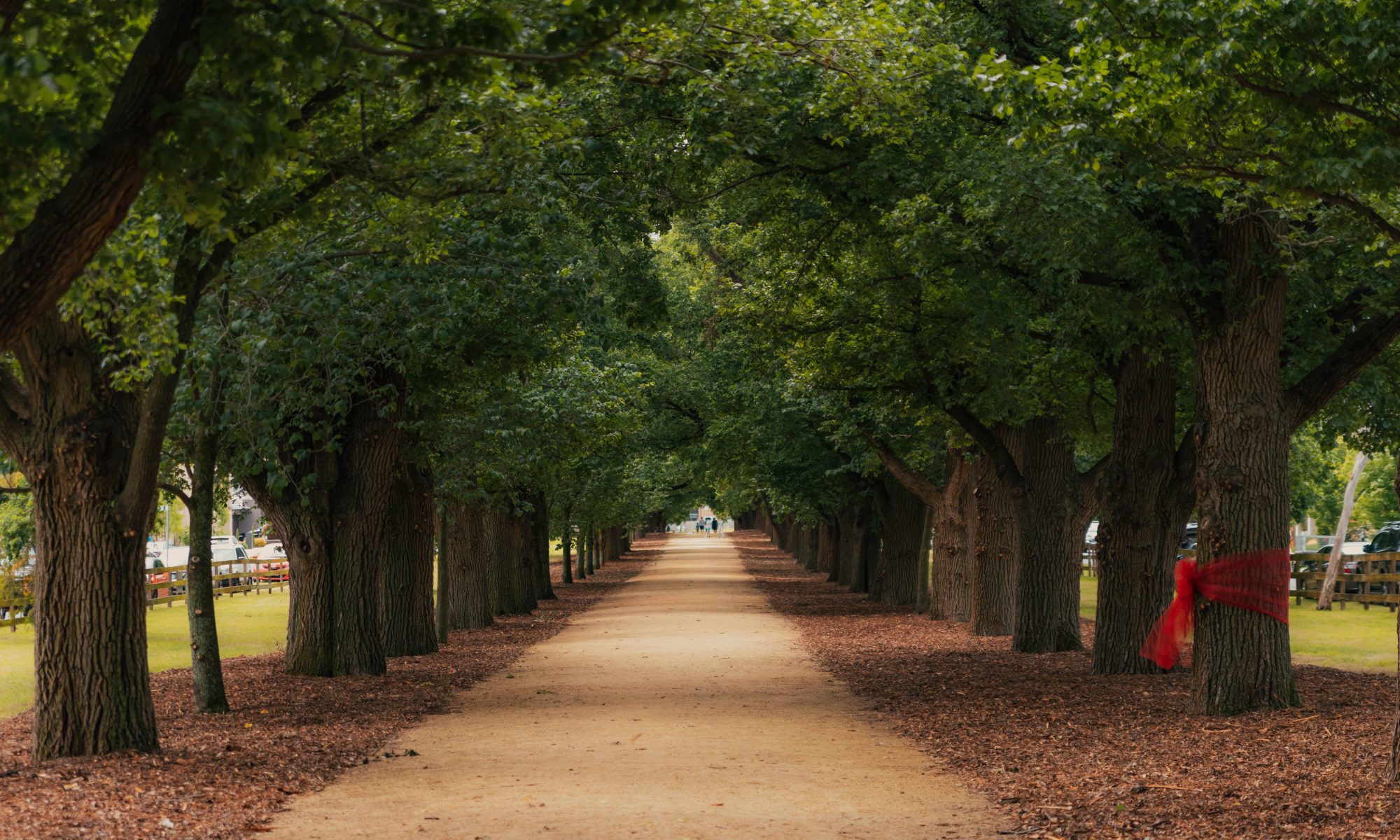

When were the first Elms planted in Australia? The first Elms were planted in Australia in the first half of the 19th century when British settlers imported species from their former homelands.
What type of species of Elms can be found in Australia? A large number of species and cultivars are grown in Australia. The commercial availability and popularity of the various varieties has changed over time. The most common ones are:
- American Elm
- Chinese Elm
- Dutch Elm
- English Elm
- Wych Elm or Scots Elm
- Smooth-leaved Elm
-
Other species and cultivars
Where can Elms be found in Australia? Historically, most planting of elms has occurred in south-eastern Australia, including the states of New South Wales, Victoria, Tasmania and South Australia. The largest number of elm species are found in Victoria. The most common species found in older parks and gardens are the English elm and the Dutch elm.
How many Elms are in Victoria? In 1997, there were 33,789 elms on council-controlled land within the state and the amount on private land was estimated to be at least as many. In 2005, the City of Melbourne recorded that it had 6300 elms in its parks and boulevards. In 1997 the amenity value of the elms in Melbourne’s boulevards was estimated to be $39 million.
Why are the Elms in Australia considered special? Many Elm trees in the northern hemishere died as a result of the Duthc elm disease pandemic. As such the mature trees in Australia are now regarded as amongst the most significant in the world.
When did boulevard planting of Elms started in melbourne? In Melbourne, boulevard plantings of elms were established from the latter half of the nineteenth century in Royal Parade, Victoria Parade and within the Fitzroy Gardens, and are registered as significant by the National Trust of Victoria.[14] In many of the larger towns and cities in Victoria, the planting of elms in avenue plantings began to become popular in the late nineteenth century, a notable example being the 1876 planting in Finlay Avenue in Camperdown. Following World War I, Avenues of Honour were established to commemorate those who served and died. Although a variety of exotic species were utilised, the avenues at Ballarat (22 kilometres long), Bacchus Marsh, Creswick, Newstead, Wallan and Traralgon were either primarily or exclusively planted with English Elm and Dutch elms.
What are some of the pests and diseases? Although elms in Australia exist far away from their natural habitat and associated pest and disease problems, a few problematic insect species have managed to infiltrate Australia’s strict quarantine defences . The elm leaf beetle was first discovered on the Mornington Peninsula in 1989 and had spread to the City of Melbourne by 1991. The beetles have caused significant damage to elm species since that time, although the City of Melbourne keeps them in check with a regular spraying regime. Another less serious insect pest is the elm tree leafhopper, which causes speckling of leaves resulting in a silvery appearance.
Does the Dutch Elm disease exisit in Australia? Unlike most other countries that have elm trees, Australia has not yet been subjected to Dutch Elm Disease, although the vector of the disease, the elm bark beetle, was first officially recorded in Melbourne in 1974. The City of Melbourne and the Victorian State Government have jointly developed a Dutch elm disease contingency plan in case of an outbreak.
FAQ: Courtesy of https://en.wikipedia.org/wiki/Elms_in_Australia
 Friends of the Tulliallan Elms